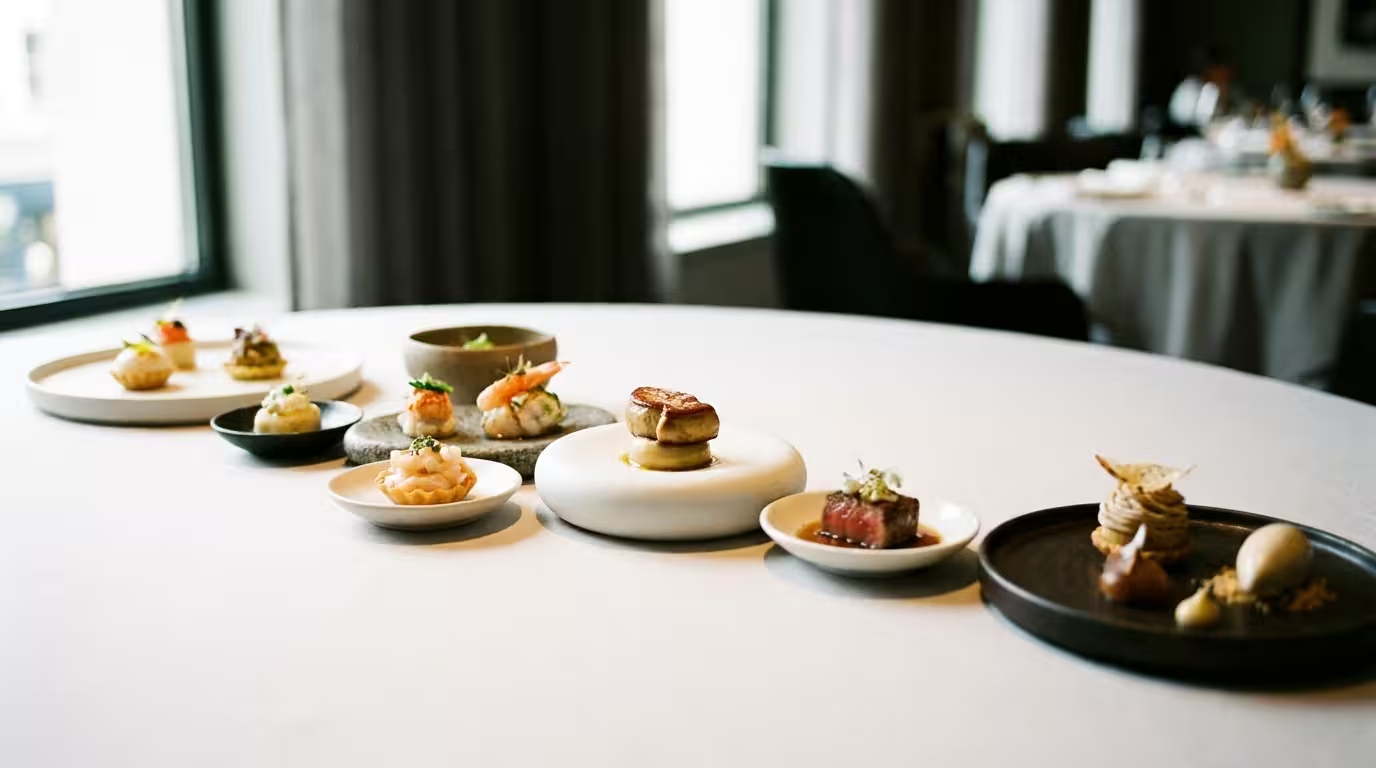
A profitable tasting menu is not just an assortment of small dishes; it is a staged experience that must move your guests while respecting your cost and production constraints. In a fine dining or bistronomic setting, this format can become your best showcase if every service combines emotion and technical control.
Below is the complete method: from defining the common thread to setting the price, including menu engineering and dish-by-dish storytelling.
How to Create a Profitable and Memorable Tasting Menu?
Reading time: ~13 min
1. What makes a tasting menu profitable and memorable
2. Build the journey of your tasting menu
3. Control costs
4. Set the right price
5. Dish-by-dish storytelling and promotion
6. Dos and don’ts
7. Mini FAQ
What makes a tasting menu profitable and memorable
A coherent narrative experience
The menu should read like a story in several acts: from the amuse-bouche to the final petit four, each dish follows a clear common thread (season, terroir, signature product, travel memory or cooking technique). The aim is to create a harmonious taste picture with smooth transitions and a gradual build-up of emotion.
Rigorous menu engineering
Each dish is a line in your results: exact food cost, target gross margin, preparation time, real popularity once launched. Standardised recipe sheets and regular sales analysis spare you from choosing between creativity and profitability. To go further, see our guide on menu engineering.
Build the journey of your tasting menu
Choose a clear theme and common thread
A readable theme makes creation, purchasing, communication and service easier: a central seasonal product (asparagus, tomato…), a territory (coast, mountains…), a house technique (fermentation, wood fire…) or a personal story (childhood memories, a journey, meeting a producer). A few words in the title and at the plating should be enough to convey the intention.
Define the number of courses and calibrate portions
A bistronomic venue often offers five to seven courses; a fine dining one, seven to nine. Better one dish too few than one too many: excess tires the guest, lengthens the meal and complicates service. Portions must be designed for the overall sequence, then recorded in the recipe sheets to control cost and consistency.
Balance flavours, textures and seasonality
Alternate temperatures, textures (crunchy, melting, creamy, airy) and aromatic intensities. Keep expensive products for a few key courses and showcase ingredients with high perceived value but contained cost (root vegetables, grains, less noble cuts done well).
Control costs
Recipe sheets and cost price
For each dish, list ingredients, quantities, purchase prices, served weight and preparation time. Add everything up to know the full cost price of the menu and check that the food cost to revenue ratio stays in line with your model (labour and costs included).
Dish-by-dish analysis and trade-offs
Once the menu is launched, watch popularity, unfinished plates, pressure points in the kitchen and the impact on margin. Then classify the dishes: high margin + well liked (keep), much loved but expensive (optimise), little liked and not very profitable (remove).
Key tracking steps
List all the dishes.
Standardise quantities and processes.
Know the food cost of each course.
Measure popularity and guest feedback.
Set the right price
Define a realistic target margin
Start from the full cost price, add labour, costs and positioning (bistronomic, fine dining, Michelin-starred). Then adjust the number of courses, product choices and technical complexity to reach the desired ratio without exceeding what your clientele is willing to pay.
Use price psychology wisely
Avoid round prices that are perceived as higher (€79.50 rather than €80), limit the display of the euro symbol and place the menu next to a more premium offer to benefit from an anchoring effect. On a digital menu (such as Appero), test different presentations and measure the impact on the choice rate.
Dish-by-dish storytelling and promotion
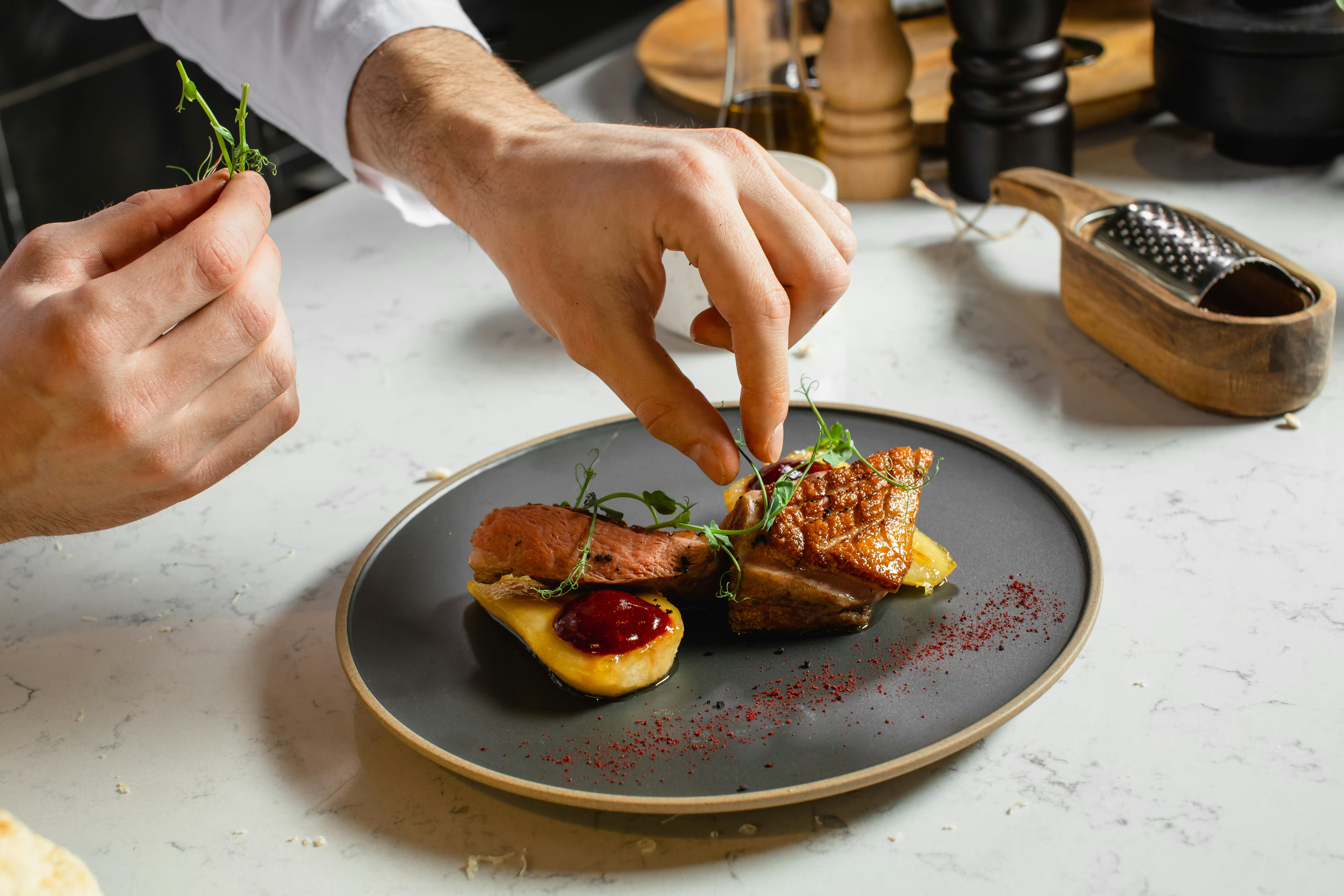
Give each course a strong identity
Clear, evocative titles, short descriptions centred on sensation, and no jargon: your team can then enrich the story verbally in a few sentences.
Design a menu that makes people want it
Place the tasting menu in a highly visible area, isolate it visually and sum up the experience in one sentence (number of courses, spirit, drink pairing option). A SaaS digital menu makes seasonal updates easy without reprinting.
Dos and don’ts
Do
• Think about the guest journey first (rhythm, intensity, fatigue) before the recipes.
• Favour seasonal products and a few versatile ingredients to optimise purchasing.
• Document each dish in a detailed, up-to-date recipe sheet.
• Test the menu with the team and trusted guests, then adjust based on feedback.
• Train the dining room in storytelling (present the overall spirit and two key dishes in under 30 seconds).
Don’t
Multiply menu variants on the same evening, a source of complexity and cost.
Stack your favourite recipes without thinking about the sequence and plating time.
Let a dish that is too fragile or time-consuming ruin the rhythm and the labour.
Freeze the menu for months without analysing sales, margin and satisfaction.
Relegate the tasting menu to a corner of the menu or make it a secondary option.
Mini FAQ
How many courses for a bistronomic menu?
Five to seven courses are often enough; beyond that, complexity increases and the meal gets longer.
Should you detail every dish on the menu?
Give at least the main lines, key products and any constraints; keep an element of surprise without causing anxiety.
How do you handle specific diets?
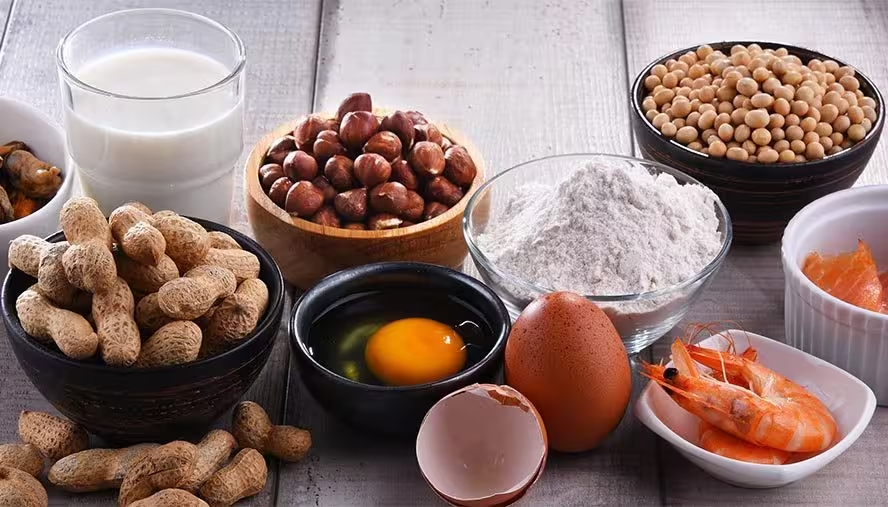
Plan a vegetarian version and adjustments for the major allergens, documented in the recipe sheets to control costs and organisation.
How often should you revise the menu?
A seasonal rhythm works well: keep a stable backbone (signature dish, number of courses) and change some elements according to products, guest feedback and profitability.
By aligning storytelling, recipe sheets and margin tracking, your tasting menu becomes the economic and emotional heart of the restaurant. A flexible digital menu, like the one offered by Appero, makes it easier to showcase and evolve without friction.