

With margins shrinking, every point of food cost becomes decisive for a restaurant’s profitability. The good news: several margin points can already be won through better structured purchasing and negotiation.
Here are five strategies you can apply right away to hold a food cost ratio suited to your concept, preserve the quality on the plate and protect the guest experience.
5 Strategies to Negotiate with Your Suppliers and Reduce Your Food Costs
Reading time: ~13 min
1. Frame your restaurant’s raw material costs with a solid ingredient price list
2. Put your suppliers in competition in a structured way
3. Play the volume card and join buying groups
4. Negotiate far more than just the price
5. Check deliveries, run inventories and measure your gains
6. Dos and don’ts for reducing your food costs
7. Mini FAQ on negotiating better with your suppliers
1. Frame your restaurant’s raw material costs with a solid ingredient price list
Before any negotiation, you need to know your exact situation. Suppliers work with precise figures; make sure you do the same, with a detailed ingredient price list and clean recipe cost sheets.
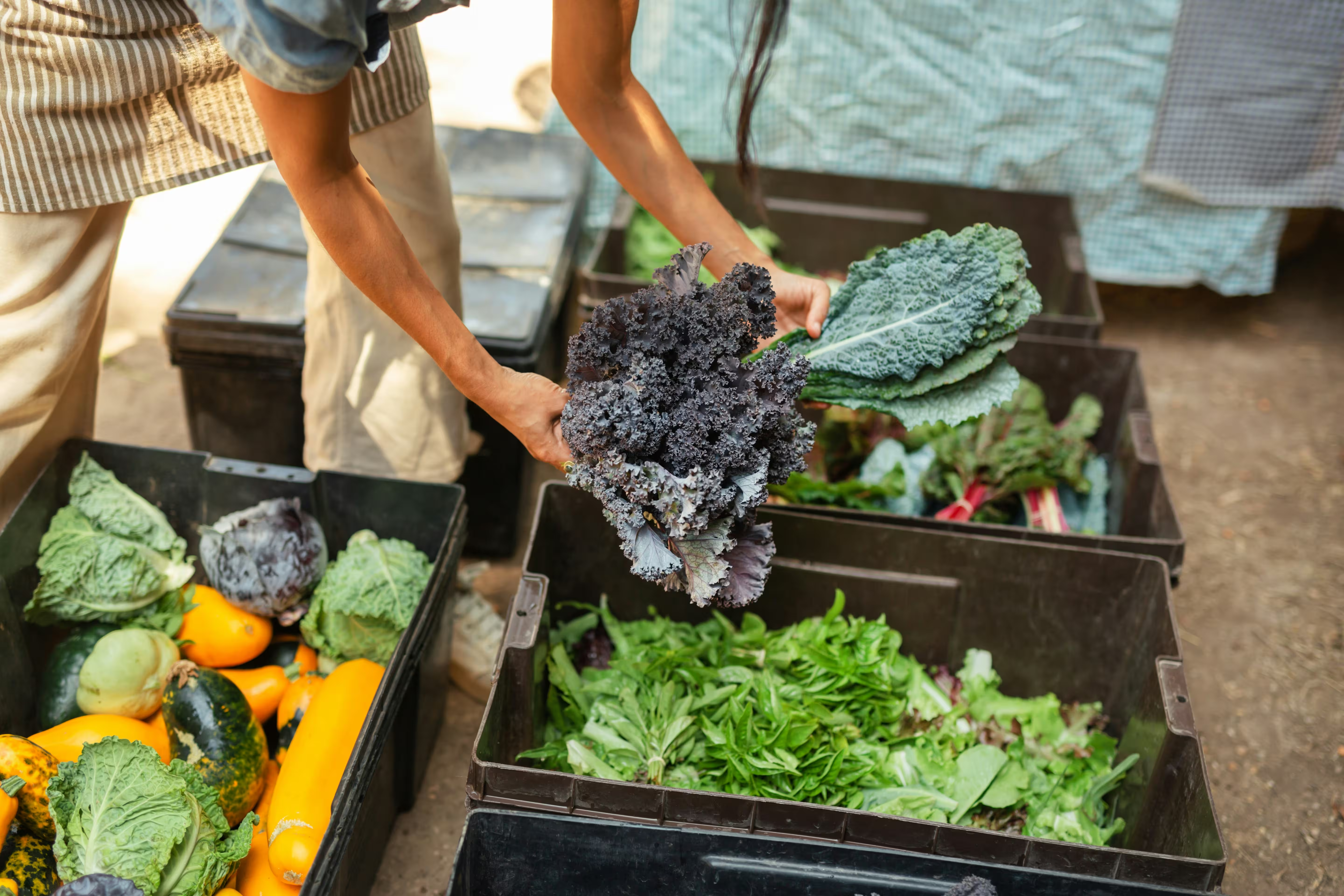
Build a detailed ingredient price list
Precise definition of each ingredient
Packaging
Unit price
Quantity per dish
Food cost per portion
This reference base makes it easier to compare offers, isolates the heaviest items (especially proteins) and often lets you save 10 to 30% on some purchases without affecting the quality your guests perceive.
Aim for a food cost ratio that fits your concept
In high-performing fast food: 25-30% food cost. In a traditional restaurant: 30-35%. Define your target, then track the gap between theory (recipe cost sheets) and reality (purchases, inventories). Without this numerical base, even the best negotiation stays approximate.
2. Put your suppliers in competition in a structured way
Do not rely on a single supplier per product family; have at least two for each strategic ingredient and challenge them regularly.
Hold regular negotiation meetings
Schedule one to four meetings a year to review: your purchase volumes; changes in raw material prices; the conditions seen with other players; possible products or substitutes. Arrive with figures and projections; your request for a better price will be all the more legitimate.
Compare beyond the raw price
The best choice also depends on delivery reliability, breakage rate, consistent quality, flexibility when there is a problem and the ability to offer attractive seasonal products. These parameters make up the real food cost, not just the figure on the invoice.
3. Play the volume card and join buying groups
The higher your volumes, the better your terms. If you are not a large group, rely on pooling internally first, then on groups with other restaurateurs.
Consolidate your orders internally
Group orders into fewer days to reach volume discount tiers, standardise ingredients shared by several dishes and anticipate your needs so you order more, but more rationally. The result: free delivery thresholds, bigger discounts or longer payment terms.
Create or join a buying group
By pooling product families (dry goods, oils, drinks, frozen items) with a few venues, you quickly weigh several tens of thousands of euros a month with a single supplier. Define a shared list, ordering and payment rules and a lead person for the supplier relationship: a little coordination for a real margin gain.
4. Negotiate far more than just the price
The price per kilo is only one lever. Payment terms, delivery terms and building a long-term partnership matter just as much.
Work on payment and delivery terms
For example: a discount for payment on receipt, spreading payments over the low season, or more frequent deliveries to limit stock and waste. Even if modest, this cash flow adjustment improves profitability.
Build a win-win partnership
Share your forecasts; the supplier manages their own purchasing better and can pass the gains on. Also negotiate product exclusivity, support for menu highlighting or information on price trends. An intelligent digital menu, such as the one offered by Appero, provides the data you need to steer your volumes and strengthen your arguments.
5. Check deliveries, run inventories and measure your gains
A good negotiated deal is useless if you lose money through breakage, delivery errors or overstock.
Systematically check deliveries
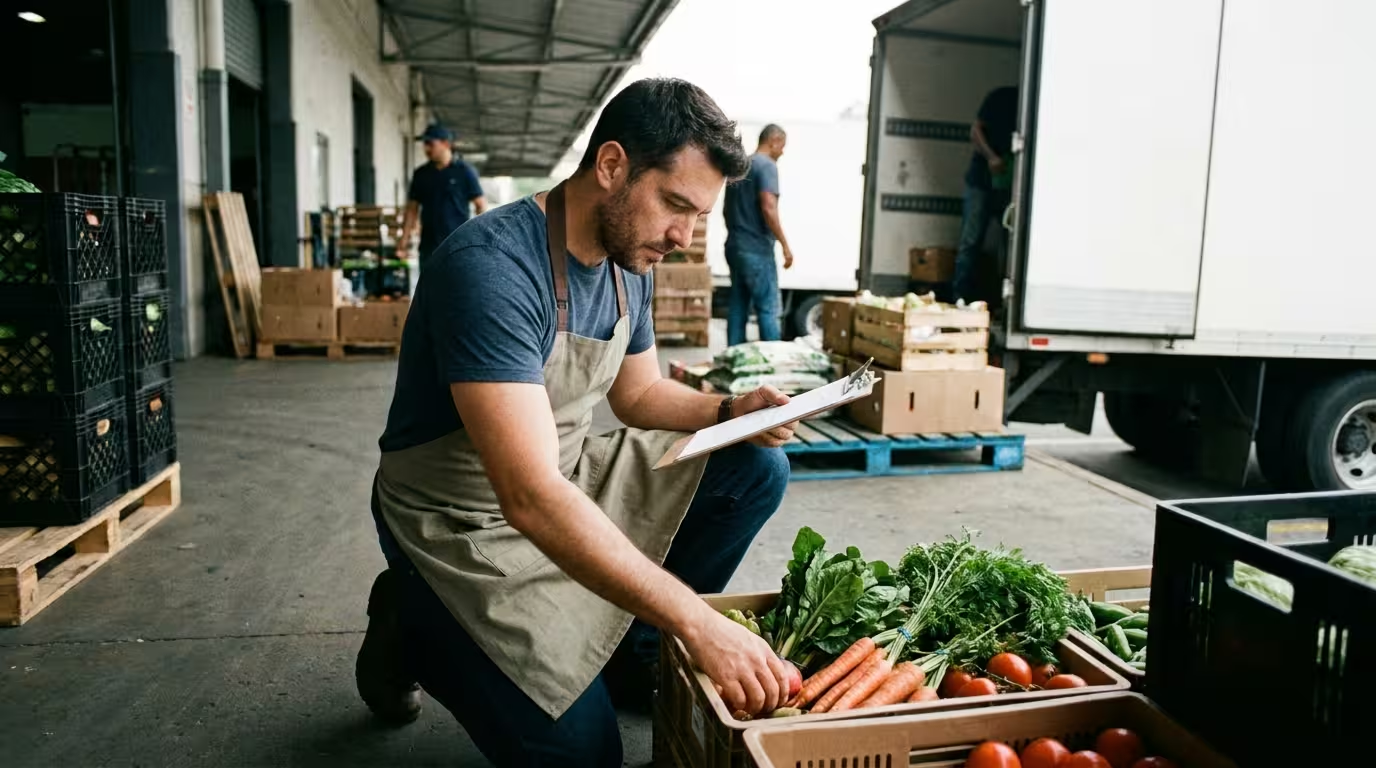
A clear procedure on receipt: quantities delivered; quality and freshness; compliance with negotiated prices. Consistent checking limits losses and prevents stealthy price rises.
Run regular inventories
A full inventory every ten days reveals real consumption. Compare theoretical and actual figures to spot leaks, adjust portion weights, review dishes or menus, then use this data in your next supplier discussions.
Dos and don’ts for reducing your food costs
Best practices
• Keep recipe cost sheets and your ingredient price list up to date
• Have at least two suppliers for each key product
• Group some orders to reach volume tiers
• Favour seasonal products and consistent origins
• Check every delivery and track inventories
• Share your forecasts with your trusted suppliers
Mistakes to avoid
Negotiating by gut feeling without figures in front of you; depending on a single supplier for strategic ingredients; ordering day to day with no visibility; forcing very expensive out-of-season products; signing delivery notes without checking; hiding your real volumes while hoping for substantial discounts.
Mini FAQ on negotiating better with your suppliers
How often should you renegotiate with your suppliers?
An annual review is a minimum. In periods of strong inflation or if your volumes change quickly, schedule a full review every quarter and keep an eye on purchase prices between meetings.
How do you negotiate without damaging the relationship?
Stay transparent and professional. Present your figures, explain your food cost target, suggest concrete options (extra volumes, a buying group, menu highlighting) and aim for a long-term partnership rather than a one-off rock-bottom price.
Do you have to sacrifice quality to reduce your food cost?
No. Preserve perceived quality by playing on portion sizes, choosing different but well-prepared cuts, including seasonal products and staging your dishes well. Menu engineering identifies the popular, profitable dishes to favour.
How can a digital menu help with food costs?
An intelligent digital menu is not a magic wand, but it gives you a precise view of how each dish performs. You see what gets viewed and can adjust your offer and volumes. Appero offers a QR code menu (view only) designed to optimise sales and margins through menu engineering and add-on sales suggestions.
By structuring your purchasing data, playing on volumes and negotiating global terms, you take back control of your food cost without sacrificing the quality that keeps your guests loyal. Next step: connect this work to your menu and focus your efforts on the most profitable dishes.