Cross-selling is one of the simplest ways to increase the average ticket in a restaurant without harming the guest experience. Done well, it turns ordering into a moment of advice and pleasure for the diner.
A digital menu takes this logic even further: it highlights duos or trios that have already been tested, adapts to the time of day and visually guides your guests, all without adding pressure on your servers.
Cross-selling in Restaurants: 7 Combinations That Work Every Time
Reading time: ~9 min
1. What cross-selling really is in a restaurant
2. How to choose cross-selling combinations that make people want more
3. 7 cross-selling ideas for restaurants to deploy now
4. Dos and don’ts for cross-selling that respects your guests
5. How to set up these combinations on a digital menu
6. Mini FAQ on cross-selling in restaurants
What cross-selling really is in a restaurant
In a restaurant, cross-selling means offering the guest a relevant complementary product: a sharing board with an aperitif, a higher-quality side with a main, or a coffee to go with a dessert.
Not to be confused with upselling, which moves the chosen product up a tier (e.g. suggesting a premium burger), cross-selling simply adds a consistent extra to the order. Combined, the two techniques improve the overall experience as long as the intention stays clear: helping the guest.
Studies show that a well-thought-out add-on sale increases the average ticket while improving satisfaction: diners appreciate being recommended the right wine with their dish, or a dessert and coffee deal that simplifies their choice. It all comes down to relevance and timing.
How to choose cross-selling combinations that make people want more

Identify your star products and your comfortable margins
Start from your best-sellers and your high-margin dishes; surround them with complementary drinks, sides and desserts. For each star dish, ask yourself whether a drink naturally goes with it, whether a premium side can be offered or whether a dessert or coffee extends the experience pleasantly.
Respect the rule of 4 suggestions maximum
Beyond four suggestions, the guest feels lost. Limit the choices to the aperitif, around the main course and at the end of the meal. For example, next to a dish, recommend one or two wines, not ten; to close, highlight the dessert + coffee combination rather than the whole hot drinks menu.
Train your teams to suggest without pushing
The way you say it is as crucial as the offer: use open and friendly phrasing (“We have a nice main + glass of wine deal if you would like”, “Would you like to add a gourmet coffee?”). The digital menu then serves as a visual aid to this spoken recommendation.
7 cross-selling ideas for restaurants to deploy now
Below are seven proven combinations, each with its benefit, a sample spoken phrase and a tip for showcasing it on your digital menu.
1. Aperitif and sharing board
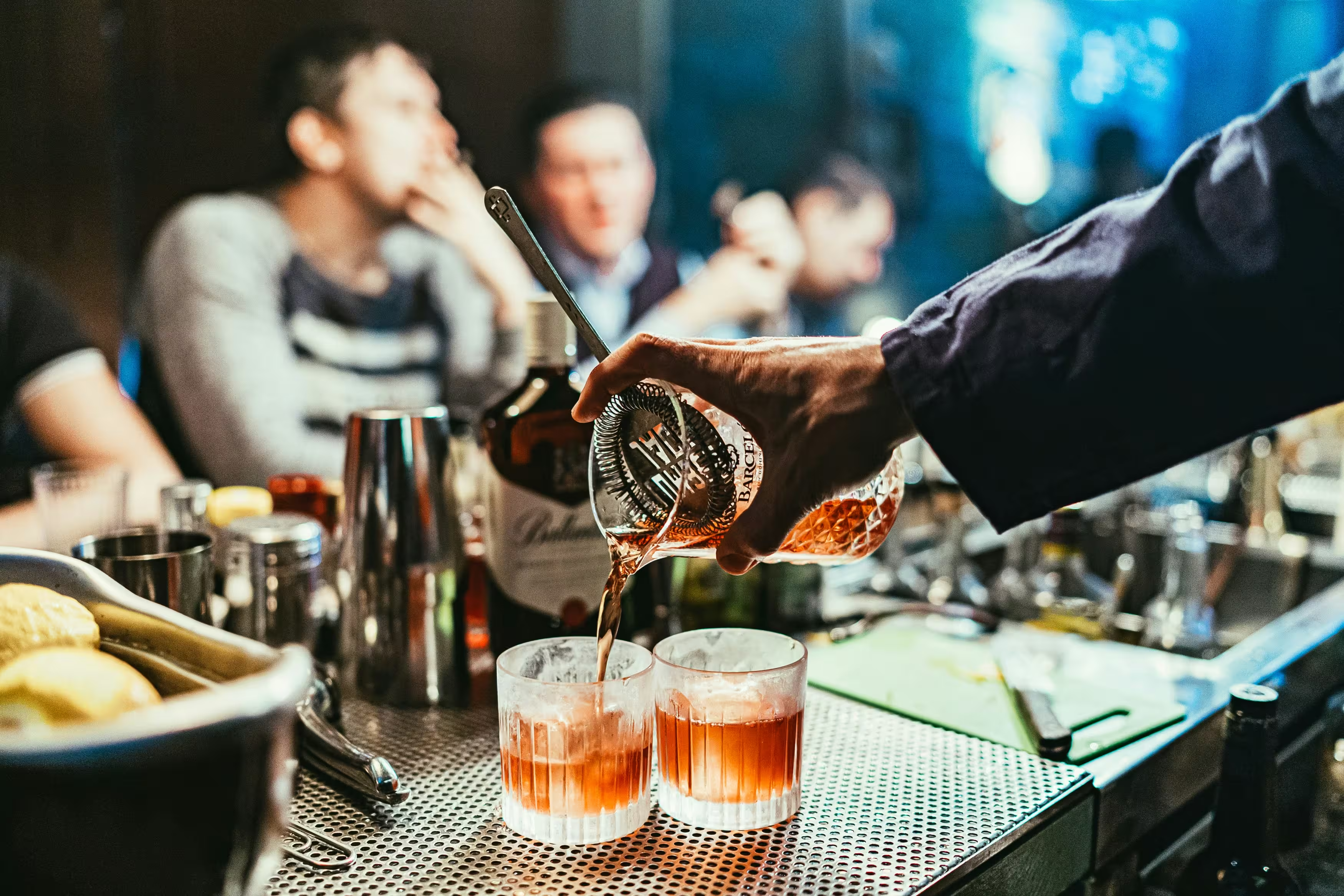
Why it works: guests arrive to relax; offering an aperitif with a board enhances the group experience and increases the average ticket from the very start.
What to say: “Would you like to start with a glass of wine or a cocktail? We also have a sharing board that goes very well with an aperitif.”
On the digital menu: place an “Aperitif of the moment” box on the home page including a drink and a board, or create an “Aperitifs” category where the duo appears clearly.
2. Dish of the day and premium side
Why it works: the dish of the day is often chosen; suggesting a homemade side (fries, roasted vegetables, a well-made salad) subtly increases the average ticket.
What to say: “Our dish of the day comes with the classic side, but we can also offer our homemade fries or the roasted seasonal vegetables.”
On the digital menu: under the dish of the day, add a “Side suggestions” area with two options at most and a short, appealing description.
3. Signature dish and recommended glass of wine
Why it works: choosing a wine from a long list can be intimidating. Pairing a glass directly with a dish frees the guest from that decision.
What to say: “With this dish, we particularly recommend this glass of dry white wine; it goes very well with the sauce.”
On the digital menu: mention “Food & wine pairing” on the dish page and show only one or two references, linked to the existing wine page.
4. Set menu: main, drink and dessert
Why it works: set menus reassure guests about the overall cost and showcase drinks and desserts that are less often ordered on their own. Ideal for lunch service.
What to say: “If you like, we have a set menu with a main, a drink and a dessert, often better value than ordering à la carte.”
On the digital menu: create a very readable “Set menus” section; clearly show the main course, the drink of your choice (short list) and the identified dessert.
5. Dessert and coffee or herbal tea
Why it works: offering a dessert with a hot drink is a very profitable classic at the end of a meal.
What to say: “To finish, I can offer you our dessert of the day with a coffee or herbal tea; it is a very popular pairing.”
On the digital menu: in “Desserts”, highlight a “Dessert + hot drink” line or a gourmet coffee option for the undecided.
6. Kids’ menu and drink or mini dessert
Why it works: a clear kids’ menu, drink included and a small dessert if possible, makes life easier for parents and improves the overall perception of the meal.
What to say: “For your child, we have a menu with a main, a drink and a small dessert; everything is included.”
On the digital menu: dedicate a simple, visual “Kids’ menu” section, specifying what is included (main, drink, dessert or surprise).
7. Impulse product and sweet treat to take away
Why it works: a small takeaway treat (chocolate, mini pastry, a drink for the road) sells easily at the moment of the bill.
What to say: “If you like, we have small homemade treats to take away, perfect for later.”
On the digital menu: insert a “To take away” section at the end of the navigation with an appetising photo and a short description.
Dos and don’ts for cross-selling that respects your guests
Do: offer at the right moment (aperitif, choice of main, dessert, bill); limit suggestions to a few clear options; use an open and friendly tone; highlight consistent complements; align what you say with your digital menu.
Don’t: drown the guest in a list of extras; systematically push the most expensive product with no taste link; multiply pop-ups on the digital menu; impose a set menu when the guest prefers the à la carte menu; change your combinations too often without measuring the impact.
How to set up these combinations on a digital menu
A digital menu sets the stage without replacing your servers. With a solution like Appero, you can create dedicated categories (“Aperitifs”, “Set menus”, “End of meal”, “Kids’ menu”), visually link a dish to a recommended drink or dessert, highlight a combination from the home page and adapt suggestions to the service (lunch/dinner, weekday/weekend). To go further on menu profitability, book a meeting with our team.
Then track a few simple indicators: the share of guests choosing the full set menu rather than the main alone, the frequency of desserts with coffee versus desserts alone, and the evolution of the average ticket week after week. Even if approximate, these figures will help you adjust your pairings and your pitch.

Mini FAQ on cross-selling in restaurants
How many cross-selling combinations should you offer at the same time?
Verbally, focus on five to seven key combinations that your teams truly master: one or two for the aperitif, two or three around the main courses and two at the end of the meal. Beyond that, teams and guests risk getting lost.
On the digital menu, the constraint is different. Suggestions are built directly into the product pages, visible while browsing. You can therefore cover your whole menu with relevant pairings without overwhelming the guest. This is precisely what makes the digital menu so strong for cross-selling: every dish can have its own suggestion, without weighing on the experience or on your servers’ workload.
How can I quickly train my team in cross-selling?
Run a short session presenting your seven combinations and a sample phrase for each. Follow with role plays, then give each server two or three combinations to test for a week before sharing the results as a team.
Doesn’t a digital menu risk making add-on selling too aggressive?
On the contrary: used well, it makes suggestions discreet and elegant. The combinations are visible to guests who look for them, while your teams adjust the pitch. The absence of direct ordering on a digital menu like Appero’s preserves the human side of taking the order.
To go further, discover the intelligent Appero digital menu solutions.